

My wife headed to her sister's for the weekend and the forecast called for rain, which meant Saturday night was me, a pot of tea, and no plan at all. My uncle Frank had died the previous spring, and for the first time in my life I had nobody left who could tell me what he was like when he was young. His one great subject had been the racetrack. Frank worked the rail for thirty years, and he told anyone who would listen that a horse race is a story with a finish line. I nodded along for decades without ever understanding what he meant.
Then, on that rainy weekend, I opened a book I had put off for years. Seabiscuit by Laura Hillenbrand keeps showing up on every sports history shortlist, and the numbers are hard to ignore: a 4.6-star rating from more than 4,700 readers, which is rare for any book, let alone a work of history. But a history book about a racehorse from the 1930s? I am a reader, not a bettor. I kept reaching for it and kept reaching past it. With nothing else to do, I finally gave it one chapter.

One chapter became five. Hillenbrand does something I still cannot fully explain: she turns the story of a crooked-legged horse who could not win into a story about a country desperate to believe in something. She moves between the horse, the half-blind jockey Red Pollard, the quiet trainer Tom Smith, and the owner Charles Howard, whose son died in a car crash that nearly ended him. By the time I finished the chapter on the 1938 match race, I had stopped checking the clock. I read until the lamp ran the battery flat.
I remember the exact moment I stopped being a skeptic. It is a small scene, but I have read honesty by it: Red Pollard is broke and nearly blind in one eye, sleeping in barns, and he is so desperate to ride that he does not tell anyone about the eye. That man, that crooked horse, that country. Hillenbrand never tells you how to feel; she simply hands you the facts and lets the room go quiet. I closed the book that first night and sat in the dark for a while.
Frank worked the rail for thirty years and always said a horse race is a story with a finish line. Reading Hillenbrand, I finally understood what he meant.
The sports history book that reads like a novel
If you know a reader who loves racing, or a family that loves a good story, Seabiscuit is the book to put in their hands. More than 4,700 readers rate it 4.6 stars, and you can check today's price right now.
Amazon Check Today's Price on Amazon →I called my sister that night, something I rarely do on a whim. She and I share the same memories of Frank, the same old racetrack stories, the same way of going quiet when his name comes up. I told her I was reading the book Frank would have read aloud. Two weeks later she had a copy, and my nephew, nine years old, asked his mother what a horse race had to do with his great-uncle.
Thanksgiving that year was the first one without Frank, and nobody brought up the track. After dinner my niece found the book on the sideboard and asked what it was. I read her the chapter where jockey Red Pollard gets thrown and climbs back on because he cannot afford to stop. She listened the way kids listen to a bedtime story. My brother-in-law, who has never finished a history book in his life, asked me to keep going. We read the whole match race with the leftovers still on the table.
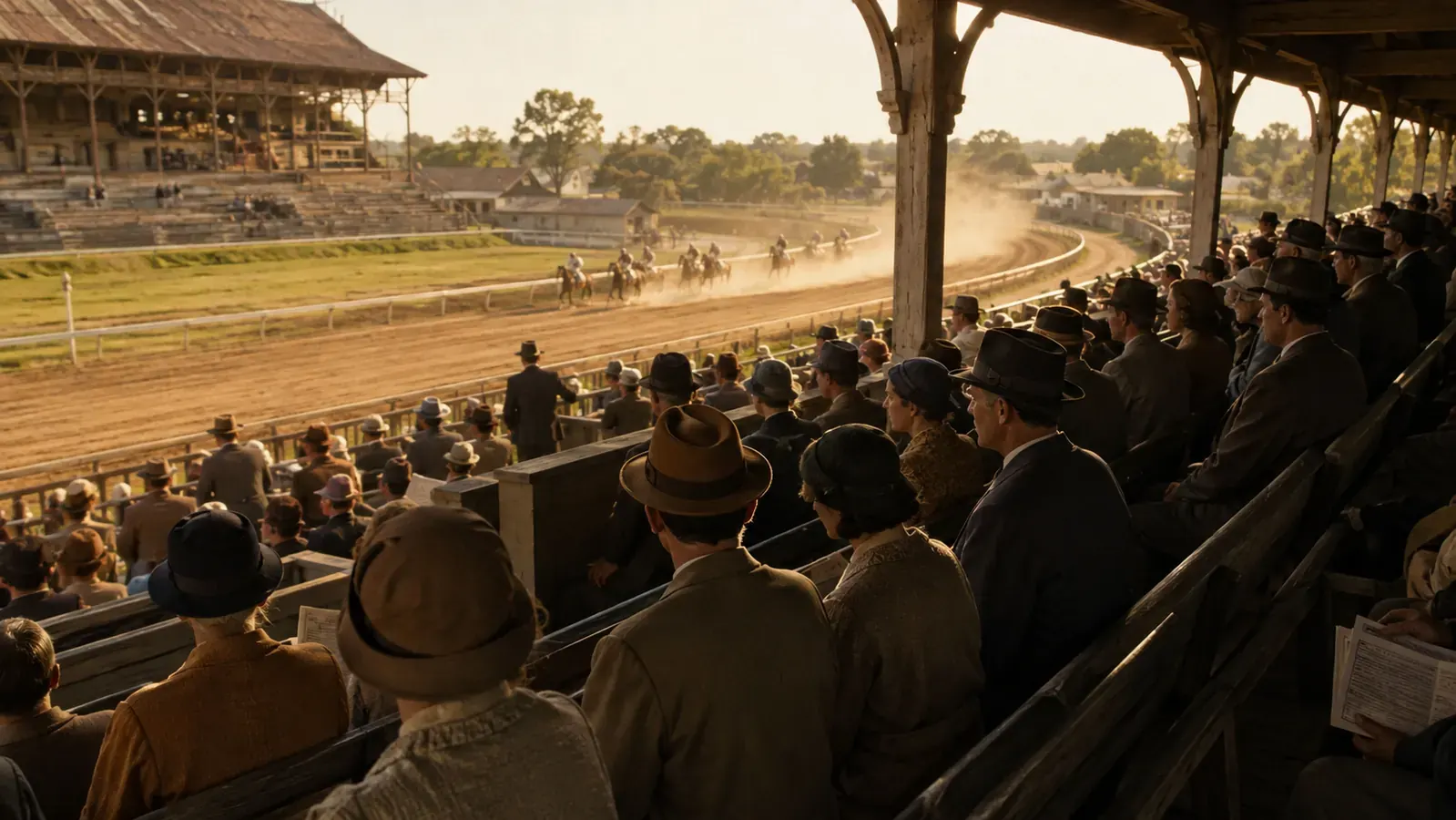
What I did not expect was how long it kept going. The nephew who asked what a horse race had to do with his great-uncle now knows the 1938 match race by heart, the finish, the photo, the way a small horse outran the champions of the sport. My mother, who reads one book a year, borrowed my copy and finished it in a week. Hillenbrand's book is the only history I know that gets passed around like a season of television.
Is it perfect? No book is, and her racing detail runs thick in the middle. If you want a technical guide to breeding lines, the long turf-racing sections will slow you down. But for a reader who wants to feel the Great Depression through the people who lived it, this is the book. It has earned its four thousand-plus reviews, and it earned a permanent place on my shelf next to Frank's old program book.
If you want the full honest accounting, my separate review digs into the middle sections where Hillenbrand's detail runs long, and the list of reasons every racing fan should read history answers the question of why bother better than I can here. This piece was never meant to be a complete review; it is what happened when a book met a family. The review is where the scorecard lives.
What I'd Tell You If We Were Sitting at My Kitchen Table
Here is the honest version, no sugar. If you already love sports history, you do not need me to sell you this book; you need to know that the Ballantine Reader's Circle edition is the one to look for. If you do not love racing yet, stop waiting for the perfect time and give it one chapter on a quiet evening. Start with the chapter about Red Pollard. Read one good passage out loud to somebody you care about. If the first chapter leaves you cold, set it down with no harm done. But I have watched this book grab whole rooms of people who swore they did not care about horses, so I am willing to bet your family is no different.
Seabiscuit brought my family back to the table
On a rainy weekend it can do the same for yours. Hillenbrand's American Legend is the rare sports history that belongs in every reader's hands, and you can see today's price in a single click.
Amazon Check Today's Price on Amazon →