

Baseball is the one sport that comes held together by its own history. Every spring training opener carries the weight of a hundred openers that came before it, every retired number on an outfield wall is a door into a season someone is still talking about, and every stat on the back of a card is shorthand for a story most of us have never heard. The trouble is that most of us meet the game backward. We grow up on a modern broadcast crowded with strikeout rates and exit velocities, and we never once get told how the game came to look and sound the way it does today.
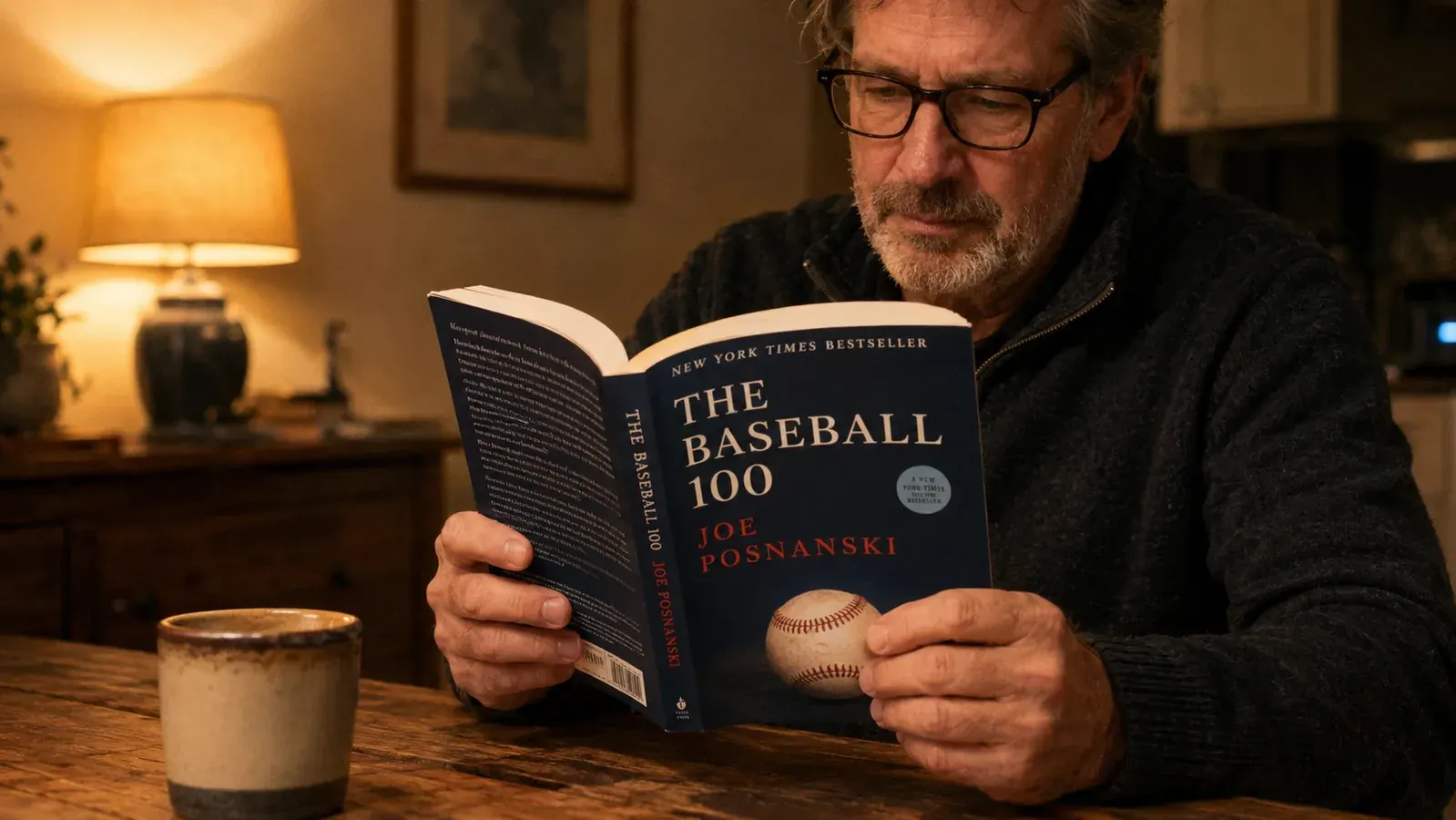
That is where a good baseball history book walks in. I am Gordon Ellis, a reader in my late fifties, and I have spent more evenings this past year with a book than with a game on the television. The one I keep reaching for, and the book this entire list is built around, is Joe Posnanski's The Baseball 100, a portrait of the game told through its hundred greatest players. I have bought it twice now, once for myself and once as a gift for a nephew who could not name a single player from his grandfather's era. That is what a book like this is for, and it earns the middle of the argument every single time.
The one history book I hand to every baseball fan I know
Before we get to the reasons, the honest headline: Joe Posnanski's The Baseball 100 is the book I reach for when a friend, a cousin, or a nervous new fan asks where to start with the game's history. It reads like stories, not like a textbook, and it is the benchmark every reason below is really about.
Amazon Check Today's Price on Amazon →Ten reasons a baseball history book pays you back
It puts a name and a face behind the numbers
Every great season is a statistic until someone tells you the story around it. When you learn how Joe DiMaggio's hitting streak really unfolded, or how Willie Mays first showed the world he could do things nobody else could, the .300 averages stop being abstract and start being people. The Baseball 100 does this for a hundred of the best players to ever touch a bat. Once the man has a face and a history, the number grows a spine. That is the quiet trick that turns a casual fan into a lifelong student of the game without it ever feeling like homework.
It explains why the game changed the way it did
Baseball did not always look like this. It was once a smaller, faster game of bunts and stolen bases, played under different rules on different fields, in cities that have long since folded. A good history book lays out the why behind every one of those changes. You start to see how today's launch angles and specialist relief pitchers are simply the newest chapter in a very old argument about how to win. That context makes the modern game far easier to follow and far more satisfying to argue about, because you finally know what you are watching and why it is being played that way.
It gives you a real way into better baseball conversations
Nobody builds a friendship on a batting average. They build it on stories. Once you have read a few chapters of The Baseball 100, you have a pocket full of things worth telling somebody else, why a certain pitcher changed how everyone after him delivered the ball, why a stubborn shortstop made his manager eat his own decision. These are the details that turn a lull in a bar or a long car ride into an hour of shared enthusiasm. A history book arms you with the one thing a highlight reel never can, which is a reason to talk and a reason to listen.
It is the rare gift that connects one generation to the next
This is the reason I buy these books as gifts, and it is the reason The Baseball 100 has left my house twice. My father spoke about players who were gone before I was born, and I had no way to sit in that conversation until I could read about them myself. A book hands a younger fan the names and faces their grandparents grew up cheering for, and it hands an older fan the chance to be understood. Very few things in a family bridge that gap. A shared book is one of the few, and it does not take an argument or a holiday to start it.
It makes today's games feel lighter and richer at once
There is a strange comfort in learning that every supposedly broken modern season has happened before, in some quieter form. Reading history reminds you that pitching once dominated for years at a time, that offense once exploded and then collapsed, that speed once ruled and then vanished. Whatever worries you about the current game, somebody lived through a version of it a century ago. That sense of perspective takes the edge off a bad week of losses and makes a good stretch of wins feel like part of a long and largely happy story.
It shows the players as people, not box scores
The best sports history is really people history. The Baseball 100 spends its pages the way Posnanski decided to spend his, which is on the man in the uniform rather than on the columns of numbers next to his name. You read about joy and anger, about stubbornness and kindness, about players who built themselves up from nothing and a few who could not handle the top. That is the part a box score can never hold. It is also the part that makes you keep watching a player who is not having a great year, because you finally know who he is underneath it.
It turns a ballpark visit into something deeper
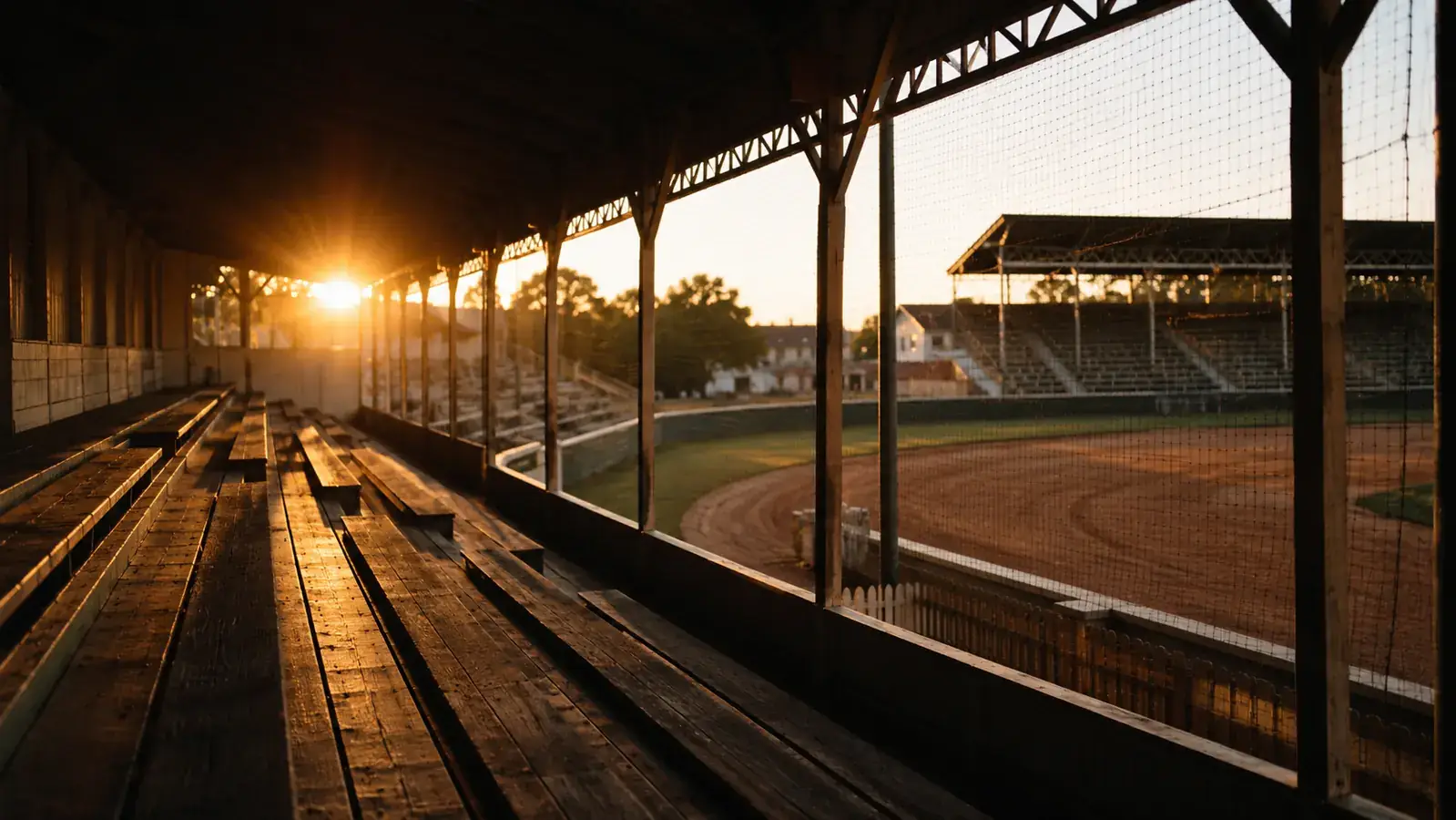
Once you know the history, a trip to the yard stops being just a couple of hours of catching and starts being a place. You walk the concourse and think about the teams that won on that spot, about the ghosts whose names ring the stands. A book like The Baseball 100 gives you the stories behind the banners and the retired numbers that most of us walk past without a second thought. The next time you take a seat, the game on the field feels bigger, because it is sitting on top of everything that came before it in that very building.
It gives you stories your family actually wants to hear
Not every family wants a lecture about defense. But tell people the story of a rookie who pitched his way through exhaustion to save a pennant, or a slugger who changed his whole approach out of loyalty, and watch the room go quiet. These are the stories a history book hands you preassembled. They are why I keep buying these books as gifts in the first place, and why my nephew and I have started trading old game stories back and forth over the holidays like they were currency. A good story is the one thing nobody can go out and find on their own.
It honors the game's hard turns instead of smoothing them over
Real baseball history does not pretend the road was clean. It includes the players who were denied their chance, the owners who made short-sighted decisions, the eras that are hard to look back on. Reading that told honestly, the way Posnanski tells it, makes the good parts shine all the brighter. You understand that the great moments of the game were victories over real obstacles, not accidents of luck. That honesty is what separates a genuine history from a highlight reel. It is also what makes the book worth a second, slower read in a different season of your life.
It is the sort you reread and then hand to someone else
The best test of a book is whether you reach for it again. The Baseball 100 is the rare history I have read a second time, and the even rarer one I have gone out and bought an extra copy of to give away. Essays about a hundred players are built so you can dip into any chapter on any night, which means it never gets old and it never really sits. When a book earns that kind of life on your shelf, it stops being an object and becomes a habit, and before long a gift you want every other fan you care about to have as well.
What I'd Skip
To be fair to your wallet, a baseball history book is not for everyone. If what you actually want is a dry reference you can use to settle a bar bet about career numbers, then an essay-driven portrait like The Baseball 100 will frustrate you, because it is deliberately about people and eras rather than complete statistics. And if you are looking for a single strictly chronological account of one season or one team, this is not that either. It moves through the hundred greatest players, and it skips plenty of worthy names along the way, which has started more than one argument in my own house about who should have been included. Posnanski's tone is also warm and plainly affectionate, so if you want a coldly critical history, you will find it softer than you hoped.
There is also the honest note that nobody actually needs every chapter at once. This is a book to live with, to pick up and put down, not a story to tear through in a single weekend. Go in expecting to keep it on your nightstand for a while, and you will get far more out of it than if you try to race to the last page. That slow pace is a feature for most readers, but it is worth knowing before you buy it in a hurry for somebody who expects an encyclopedia.
Once you know the man, the number grows a spine. That is what turns a fan into a student of the game without ever feeling like homework.
The history book that belongs on every baseball fan's shelf
Whether you read it alone in a quiet corner or buy a second copy to pass along, Joe Posnanski's The Baseball 100 is the single best argument I know for why baseball history matters. If you have been meaning to understand the game better, this is the easiest door I have found. Check today's price and let it change how you watch the next pitch.
Amazon Check Today's Price on Amazon →